


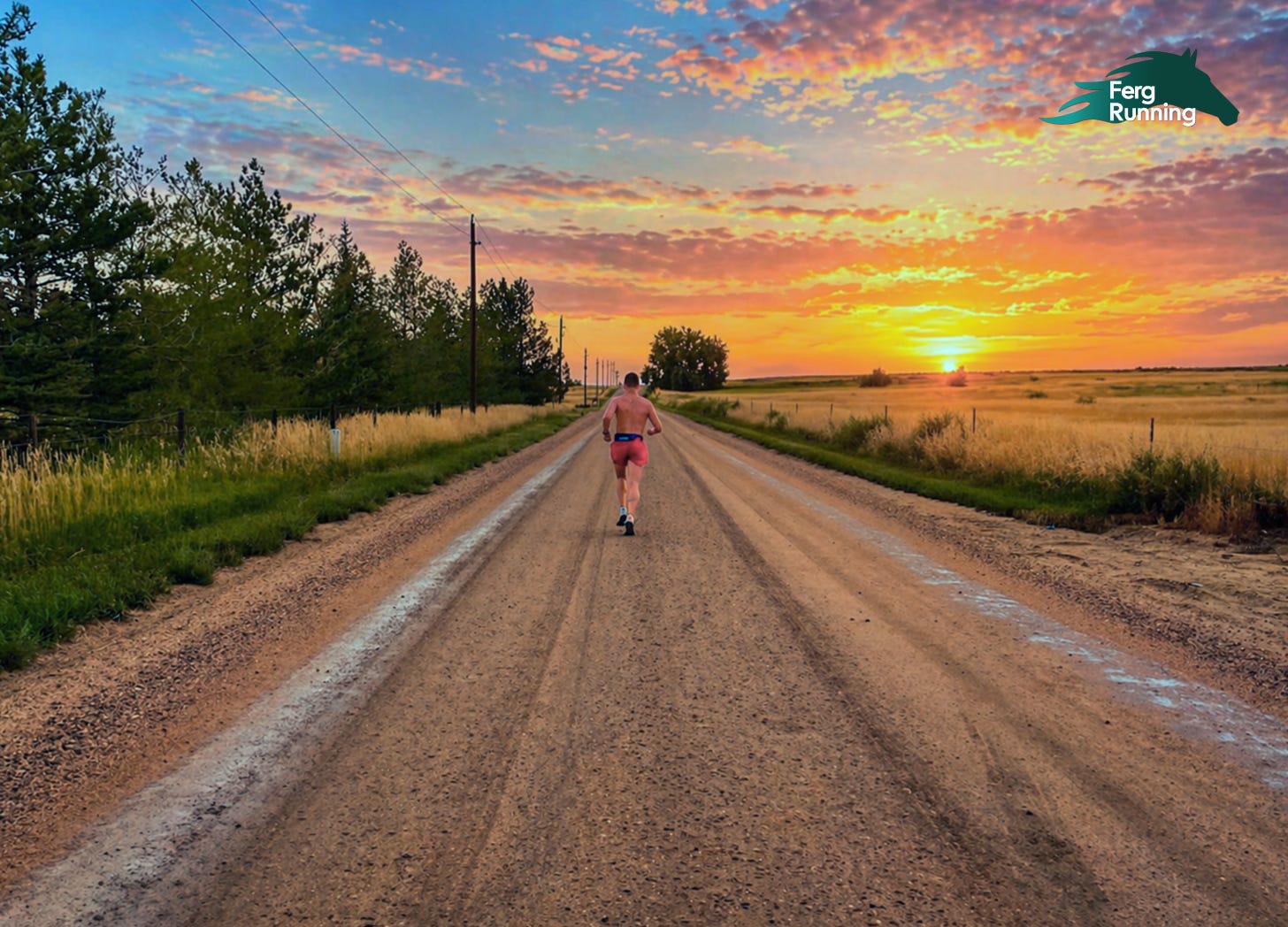
Running 100 miles per week (161 kilometers) puts you on par with elite athletes, and I achieved this for the first time in March 2023. The performance benefits of this volume for the half and full marathons have been demonstrated across generations.
In some regards, elite running training has changed little since the 1970s, when the sport became professional and integrated women. There have been improvements with nutrition, equipment, and talent identification. However, the training fundamentals developed by Arthur Lydiard remain embedded in the sport’s DNA and coaching.
Back in the 1970s, for example, there was growing recognition that altitude training offered a boost. Olympic marathon champion Frank Shorter of the United States spent his summers training at Colorado’s envious elevation. He was a leader of professionalization, although much of that money came under the table.
This post's sponsor is BOA USA, my favorite supplier of running apparel, especially their three-inch solid shorts. Use the FERG coupon code at BOAUSA.com.

Similarly, Bill Rodgers of New England targeted 100–125 miles per week. He achieved much of this by running countless times around a short loop in Boston. His autobiography, Marathon Man (2013), explains how a cheerful dreamer conquered the Boston Marathon four times and became the face of the event in the 1970s and 1980s.
New Zealand legend Lorraine Moller began training under her then husband in the late 1970s. Olympian Ron Daws was a stickler who advocated 100 miles and at least one long run of 28 miles per week. The couple were based in Minneapolis, Minnesota, so Moller tried her luck with Grandma’s Marathon in Duluth. To meet her 28-mile requirement, she ran a one-mile warm-up and a one-mile warm-down. In between, she ran a 2:37 marathon and catapulted her historic rise.

These days there is more transparency regarding elite training. Dakotah Popehn, for example, is a Midwest hero I met prior to Grandma’s Marathon in 2024. I followed Popehn on Strava prior to the Paris Olympic Marathon, and she was averaging about 115 miles. Today, her four-week average is 108 miles. Similarly, elites in Fort Collins, such as Adrian Macdonald and Tyler McCandless, run about 90–100 miles. Grant Fisher, the top US distance runner on the track, shared in March that he was running 105–115 miles.
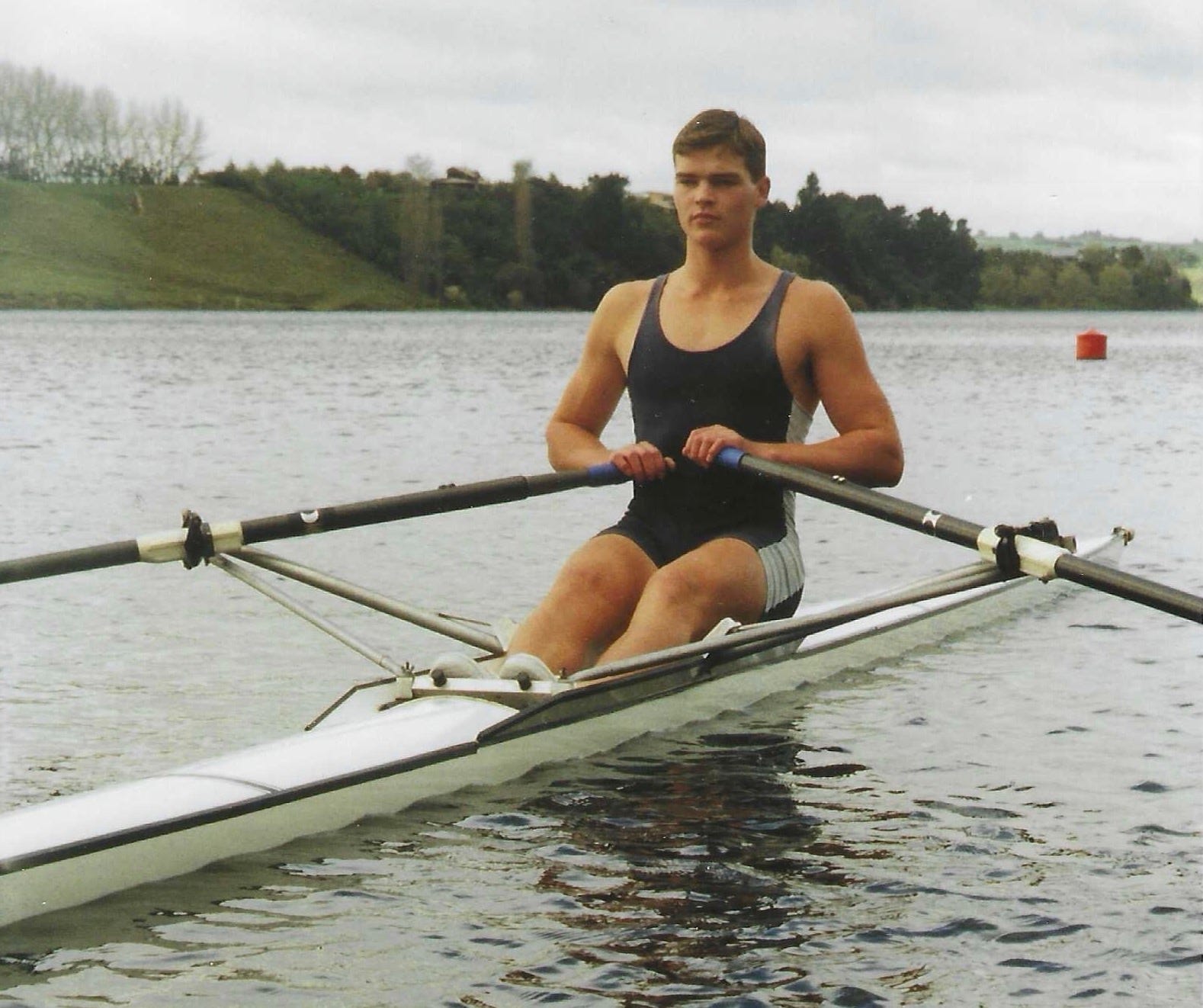
Much of my perspective on this derives from training as a rower at Lake Karapiro in New Zealand. This was about 20 years ago, and Richard Tonks coached the national team then. Perhaps the world’s most decorated rowing coach, he went on to lead the Canadian men’s program through 2020.
I was fortunate to observe New Zealand’s world-class rowers. That included world champion Nicky Coles, who trained alongside me at the Cambridge Rowing Club. Those athletes were tough and singularly focused. They targeted 200 kilometers per week (124 miles) and about 10,000 kilometers (6,000 miles) per year. If rowing a pair or single scull, that is roughly equivalent in time and energy expenditure to running mileage.
How can we achieve that training volume without being a full-time athlete? Keep in mind, McCandless has a day job—thanks, presumably, to help from his wife. Further, rowing is largely amateur, so most elites have employment alongside training.
Make morning-evening doubling the default. This need not happen every day, but it would best be the routine. Getting your mileage up with one daily run is a tall order. Barring heavy winds or hail, New Zealand’s top rowers trained on the water (or rowing machine) twice a day without fail. On top of that, each week they typically did two concise lunchtime strength sessions and perhaps one yoga or cross-training session. Cycling was the most common cross-training, akin to an ElliptiGO for runners.
Identify a go-to home route of about 10 miles to give yourself a base that can be completed within 90 minutes. While five-mile routes are useful for doubling and active recovery, they do not deliver stimulus on par with a longer route. My go-to routes have been along the Horsetooth Reservoir, but a flatter route is preferable.
Convert your rest day to an evening-morning combination. Taking off a Sunday evening and a Monday morning, for example, avoids two nights off between training. Some elites take one day off per month, but that, in my opinion, poses an injury risk.
Find group runs to boost motivation. Running can be so solitary, group outings seem crucial for mental health. As noted in Out of Thin Air (2021), Ethiopians tend to only run in groups and are suspicious of those who train alone. They learn from and encourage each other to reach new heights. While pub runs tend to be only three miles, running clubs host groups for five to 10 miles and beyond.
Pursue a weekly long run of at least 20 miles. This is a tried and true tradition, and in Fort Collins we have a handful of ideal routes, notably the Bacon Strip. The Double Bacon is two 10-mile laps, which enables a drink stop at halfway. Double Horsetooth—27 miles—is for the most determined.
Prioritize running over cross-training. We all have favorite cross-training options, in my case the rowing machine (erg) and weights sessions. Unless concise and partnered with running as a warm-up or warm-down, cross-training diverts precious time available.
Utilize softer surfaces to lessen injury. This fits with shoe rotation and wisdom from Ethiopia. Running on dirt roads, trails, and even pasture without shoes will provide a healthy change for your feet and physique.
As with getting leaner, please do not rush this. If you have only ever run 40–50 miles in a week, you might want to drip your mileage growth over three months. You do not have to abide by the 10 percent rule—of increasing by no more than that per week—but listen to your body. If you are losing motivation and/or feeling burnt out, take a light week or do some cross-training like a spinning or yoga class.
If you would like to book a consultation with me, please sign up here.