


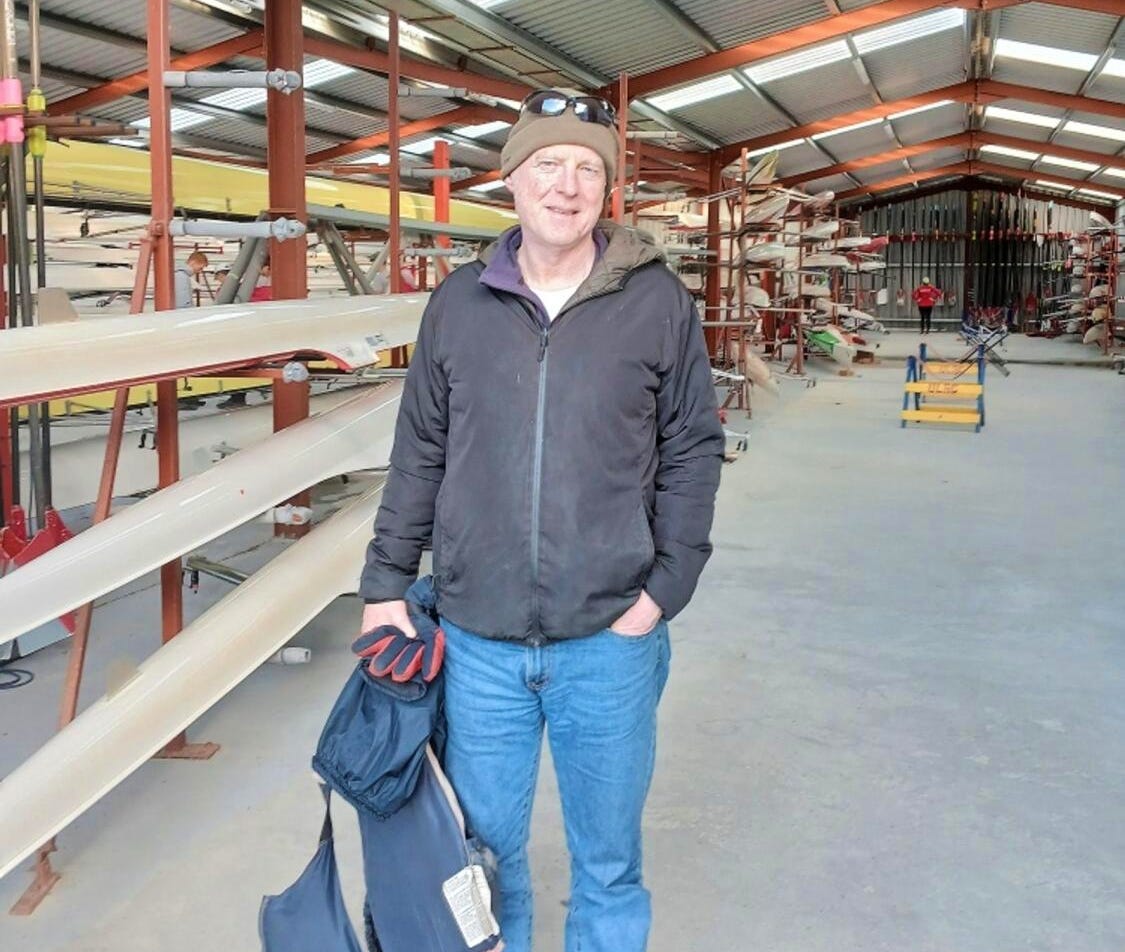
Editor’s note: this is a guest post and forthcoming book chapter by rowing coach James Mangan. An Irishman, Mangan is an elder statesman of rowing circles and was previously coaching director at the Castleconnell Boat Club in County Limerick—where I trained briefly in 2017. He now leads coaching at Greenwich Country Day School in Connecticut. Please also listen to his interview on this month's Ferg Running podcast (47 minutes): “Optimize the Coach-Athlete Relationship | James Mangan.”
Success is won by those who believe in winning and then prepare for that moment. Many want to win, but how many prepare? That’s the big difference.
Your pathway to success begins with preparation, and it is shaped by the environment you train in. As a coach, the role is to create a space that challenges you, sharpens your focus, and pushes you toward growth. Success is not just about natural talent or physical ability. It is about understanding your journey as an athlete, taking ownership of your development, and thriving within the framework we build together.
You will face two types of pain in competition. The first is the pain of failure when you have given your absolute best and the outcome still falls short. The second—and far worse—is the pain of regret: looking back and realizing there was more you could have done to change the result. Pain of failure teaches us a critical lesson: preparation and execution are everything.
Understanding yourself as an athlete is a key part of this process. Just as no two athletes have the same physical attributes, no two athletes think or approach challenges in the same way. Some of you may be naturally extroverted, motivated by engaging with others and thriving in high-energy environments. Others may be more introverted, drawing strength from quiet determination and deep focus. Both personality types have their strengths, and recognizing where you fall on this spectrum will help us refine how we communicate and work together.
Development happens in stages. At the beginning of your athlete journey, you may feel passive—relying on the coach’s guidance and expertise as you try to understand the sport and its demands. As you progress, you will gain confidence and knowledge, evolving into a more assertive athlete. A shift towards assertiveness represents a higher level of ownership: you begin to take responsibility for your growth, your mindset, and ultimately your success.
The pathway to achievement is not linear. It will test your physical and mental limits. With preparation, the right mindset, and a clear understanding of the journey ahead, you will find that every challenge brings you closer to your goals.
Defining the Pathway: Beginner to High Performance
An athlete’s development is a journey—starting from simple beginnings and progressing through various phases toward high performance. Whether you are just entering a sport or striving to compete at an elite level, understanding this pathway can help you take ownership of your growth while building a strong, collaborative relationship with your coach.
Phase 1: Building the Foundation
When young athletes join a new program or team, the initial focus is simple: learning basic tasks and building connections. At this stage, coaches focus on getting to know you—your personality, preferences, and how you execute tasks. Building rapport is crucial, as a strong relationship sets the stage for future growth. The athlete’s role or job is to enjoy the environment, participate enthusiastically, and begin to understand the sport.
Phase 2: Developing Skills, Responsibility
As athletes transition from beginners to developmental or intermediate levels, they start taking on more responsibility. This phase involves:
Feedback and communication. Coaches seek your input during practice and help you understand how to execute a plan. This dialogue strengthens your ability to think critically about your performance.
Ownership beyond training. You begin to take responsibility for areas like nutrition, sleep, and recovery—key elements that support your physical and mental growth.
Goal setting. Coaches introduce performance goals to help you focus on improving specific areas, such as fitness, skills, or endurance. These goals teach you not just how to succeed but also the value of the journey toward success.
The Journey versus the Goal
A common mistake is viewing goals as merely a measure of success or failure. The journey to achieve the goal is where the most valuable lessons lie. Along this pathway, you learn:
Self-discipline: staying committed to training routines.
Resilience: adapting to setbacks or failures.
Strategic thinking: planning steps to reach your destination.
A coach observes how you approach these challenges and helps you refine your mindset and skills.
Phase 3: Transitioning to Performance
At the performance level, athletes are on the pathway to high performance. This stage involves:
Pressure and standards. You operate in a more intense environment where clear standards and expectations drive your progress.
Assertiveness. By now, you have developed strong mental skills and take ownership of your training and preparation.
Goal setting with metrics. You collaborate with your coach to create goals based on physiological markers, such as improving endurance, strength, or speed. These goals are grounded in measurable outcomes.
Performance Goals versus Competitive Goals
Performance goals are those within your control—like improving your squat by 20 kilograms or enhancing endurance. They empower you to take charge of your development.
Competitive goals are team or coach driven, such as winning a championship. This depends on external factors like the opposition.
Phase 4: High-Performance Environment
At this elite level, athletes face high stress and must manage multiple factors:
Recovery and Maintenance: Knowing how to manage injuries, recovery, and training volumes is essential for sustaining performance.
Long-Term Planning: Athletes work with coaches to create detailed periodization plans that break down the season into training cycles with clear objectives.
Refined Communication: The dialogue between coach and athlete becomes sophisticated, focusing on fine-tuning strategies and preparing for top-tier competitions.
Goal Setting for Athletes
Goal setting is a powerful tool for personal and athletic development, but it is not just about achieving the end result. The real value lies in the journey—the process of learning, growing, and adapting along the way. When athletes focus on what they learn during this journey, they become more informed about their strengths and areas for improvement, ultimately making better decisions for their future development.
The Role of Mirroring in Development
Young athletes often learn by observing and emulating others. This process, called mirroring, plays a crucial role in skill acquisition.
Study top-class athletes. Watching videos of elite athletes provides insight into how they move, strategize, and perform under pressure.
Choose appropriate models. It is important to find role models with similar physical and athletic attributes. For example, a shorter gymnast might focus on studying athletes with a similar body type to understand how they execute certain movements.
Adapt movements. Athletes do not need to copy every aspect of a role model’s performance. Instead, they should focus on specific movements or techniques that align with their own capabilities and refine them to suit their unique style.
Key Takeaways for Athletes
Goal setting’s value is in the journey. Focus on what you learn as you work toward your goals. Each step in the process contributes to your overall development.
Respect and collaboration are vital. Build a relationship with your coach based on mutual respect, allowing for open communication and shared growth.
Learn through observation. Study athletes who resemble your style and adapt their techniques to fit your own capabilities.
Leadership comes in many forms. Whether you lead through quiet determination or by energizing the team, your actions can inspire those around you.
Editor's note: I want to thank James Mangan for being a mentor to me in challenging times. He has devoted his life to the betterment of athletes in Ireland, the United States, and beyond, and I wish to see his book come to be and preserve his legacy.