



Guest Post: Lynn Bellmore, MD, RD
Fort Collins Running Club Racing Team
Editor’s note: Lynn Bellmore (@lynnbellmoremd) is an accomplished member of the Fort Collins, Colorado, running community. She is a medical physician and qualified dietitian. A version of this article first appeared in an email update for the Horsetooth Half Marathon.
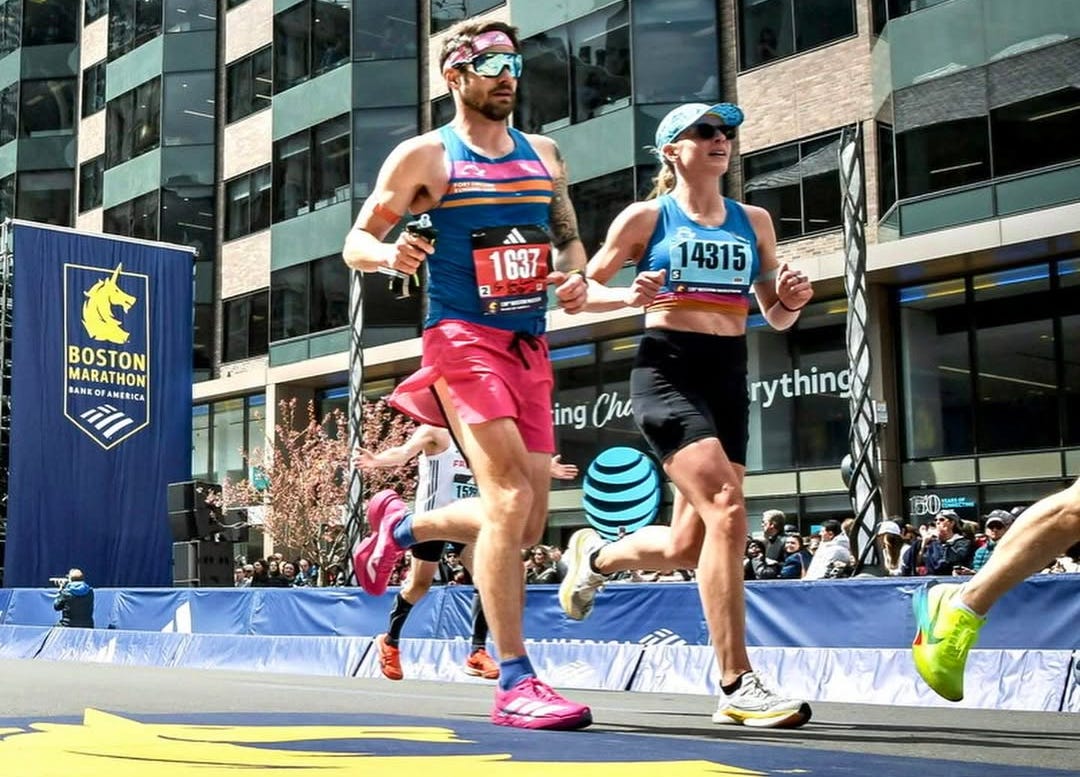
You have done the work: logged the miles, gotten up early, pushed through tough workouts, and maybe skipped a few things you would rather be doing. Now race week is almost here and the taper has begun. Most runners understand the importance of tapering (even if it is hard to trust), but there is something just as important for race day performance: carb loading.
Many runners skip carb loading for a half marathon, assuming it is unnecessary. But the truth is, carb loading is critical to your performance. Your body starts using glycogen almost immediately when you begin running, and those stores typically last 60–120 minutes depending on factors like intensity, body size, and prior fueling. In 2025, the median Horsetooth Half Marathon finisher completed the race in 2:12:33—well beyond that window. That is why maximizing glycogen stores before race day matters.
How Much Do You Need?
Carb loading for a half marathon should take place the day before the race. Tools like Featherstone Nutrition’s Carb Loading Calculator can give a personalized target, but a common recommendation is around 500 grams of carbohydrates. That’s about 2,000 calories from carbs alone—not including fat or protein. (The Feartherstone calculator also provides base numbers for the marathon, derived from your age, weight, and loading schedule.)
That number surprises most people, but it is appropriate. Many runners will burn close to 2,000 calories during a half marathon. Even if you are fueling during the race, starting with full glycogen stores helps prevent hitting the wall and allows you to perform at the level you trained for.
How to Actually Eat That Much
The simplest approach:
Focus on carbs early in the day.
Keep fat and protein relatively low until you hit your carb goal.
Think in units of ≈50 grams of carbs and aim for ≈10 servings.
Track your intake. A quick note on your phone works well.
Examples of ≈50g carb servings:
1 bagel;
4 full graham crackers;
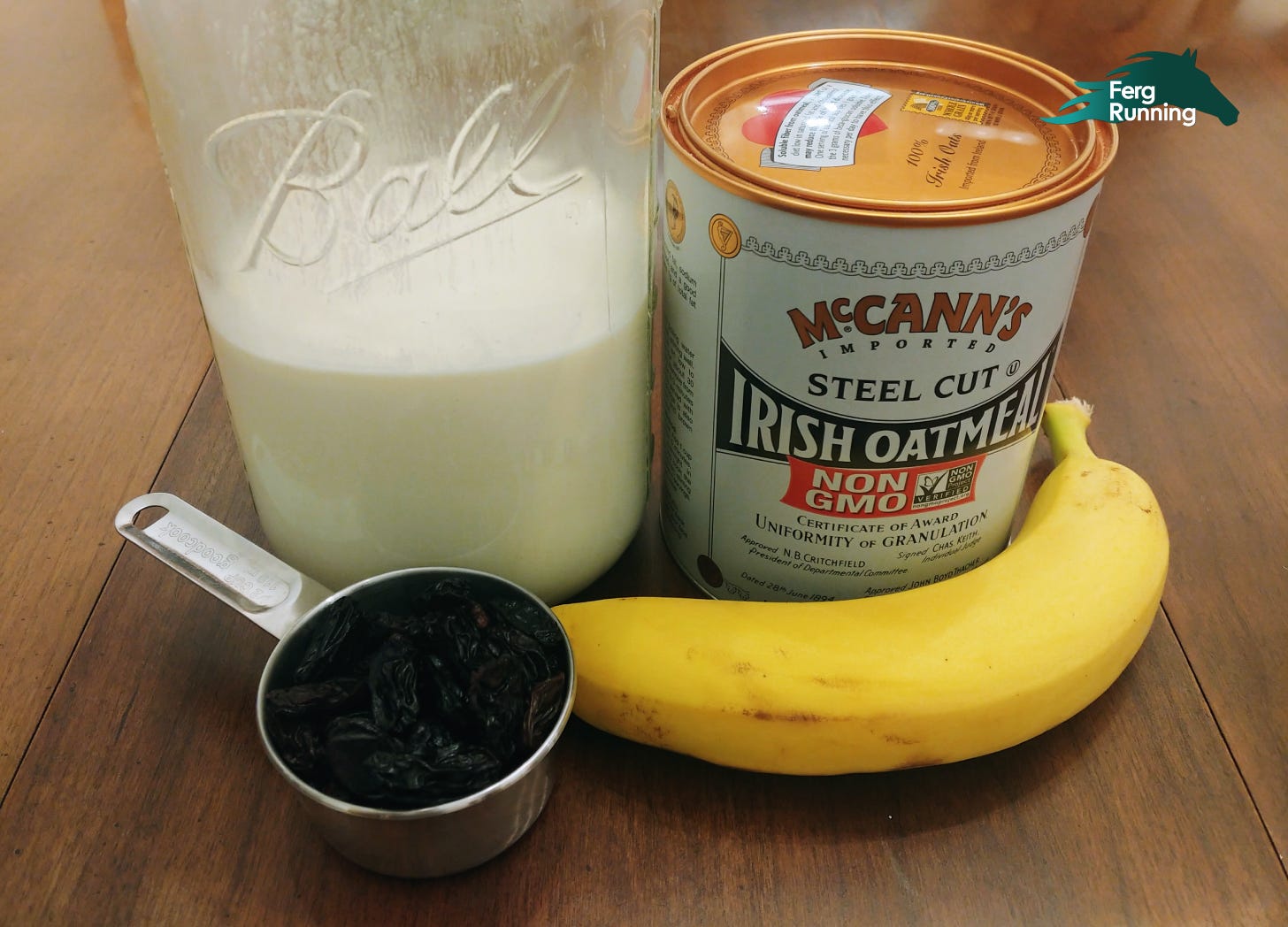
1 cup dry oatmeal (about 2 cups cooked);
1.5 cup most cereals;
12 oz juice or soda;
6–7 gummy worms;
2 slices large bread;
2 cups chocolate milk;
1.25 cups cooked pasta;
1 cup cooked rice;
2 bananas, apples, or oranges;
3 cups berries (note: strawberries are lower carb, blueberries higher);
1 cup mashed potatoes or sweet potatoes.
Food Choices
The priority is getting enough carbs, not eating perfectly. It is fine to include foods you might normally limit—juice, soda, candy—if they help you hit your target. Just avoid going completely off-script with your diet, as that can lead to GI issues.
Sample 500-gram carb day:
Breakfast: 2 cups oatmeal with honey, 1 cup chocolate milk.
Snack: 4 graham crackers with a little peanut butter, 1 cup chocolate milk.
Lunch: turkey sandwich on a bagel or bun, 1 banana, 12 oz juice.
Snack: 1.5 cup Honey Bunches of Oats with milk.
Dinner: rice bowl with 1.5 cup rice, 1 cup sweet potatoes, plus toppings. You have hit your goal so add all the goodies you want! Consider salmon, broccoli, onion, feta cheese, and dressing.
If you have put in the training, this is one of the simplest ways to make sure it shows up on race day.